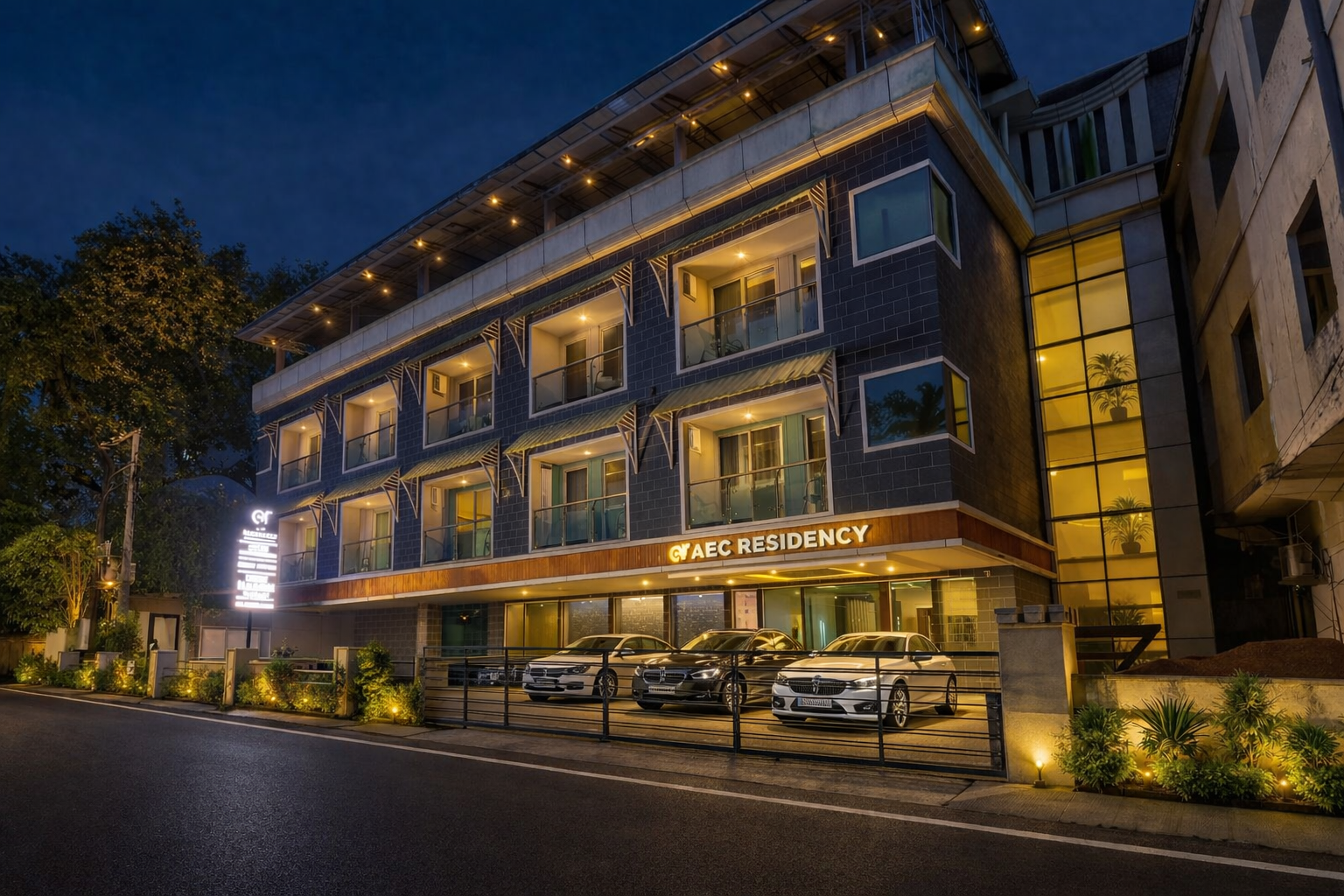
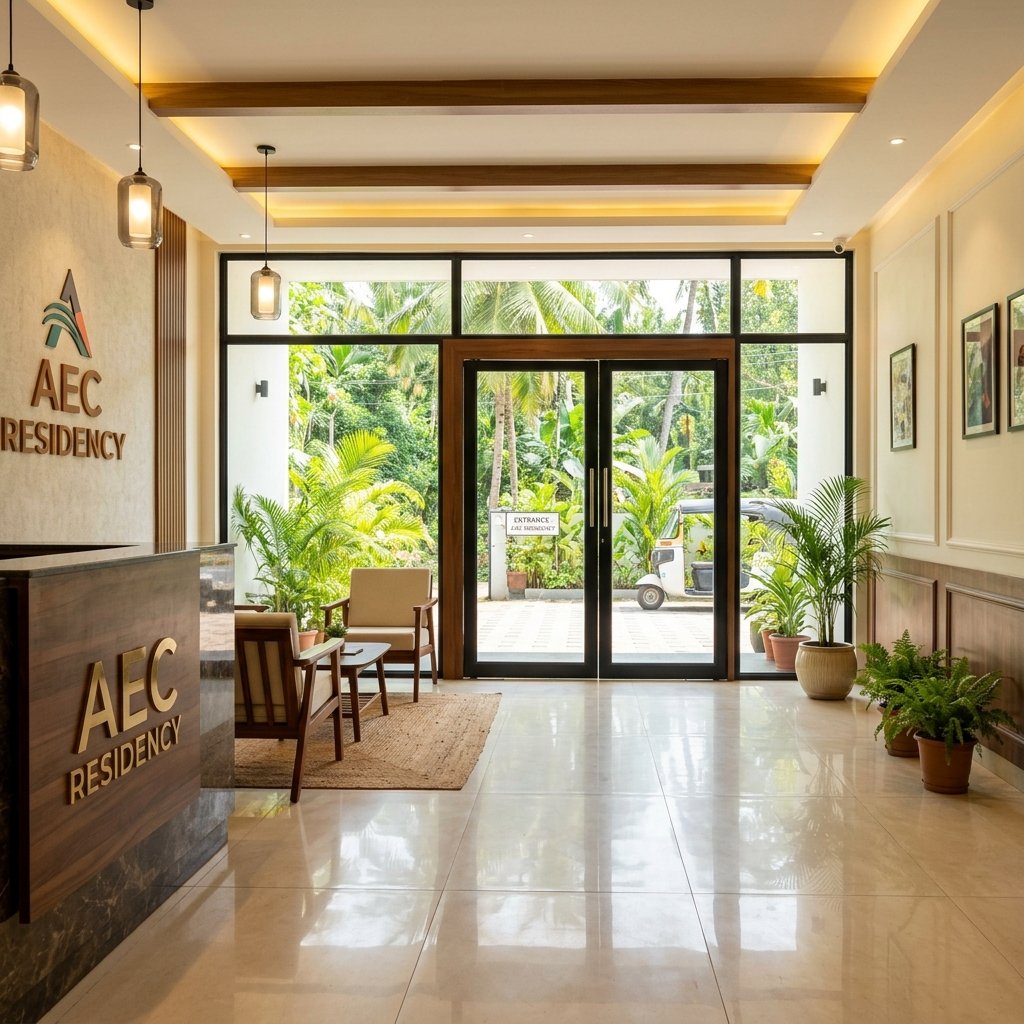
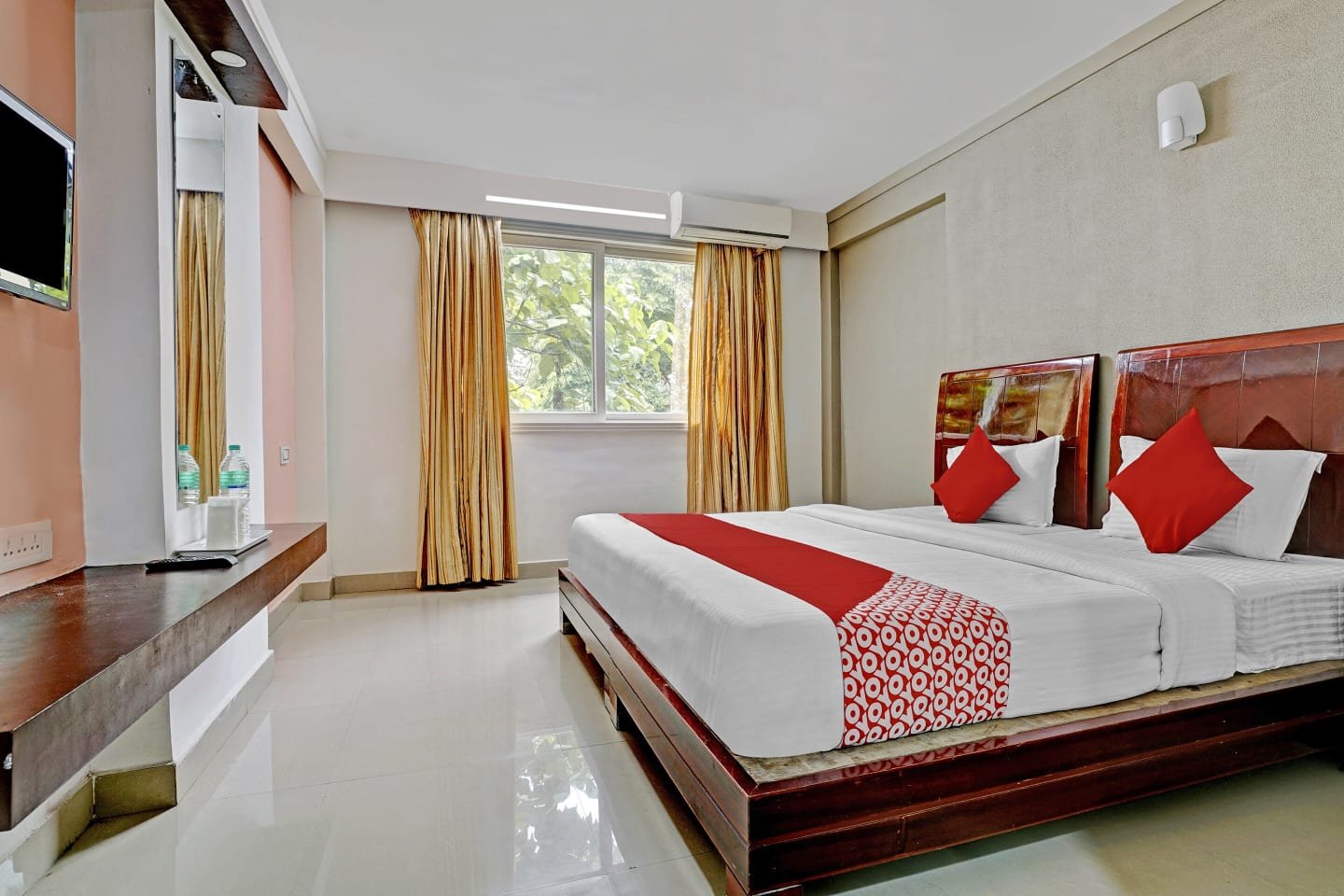
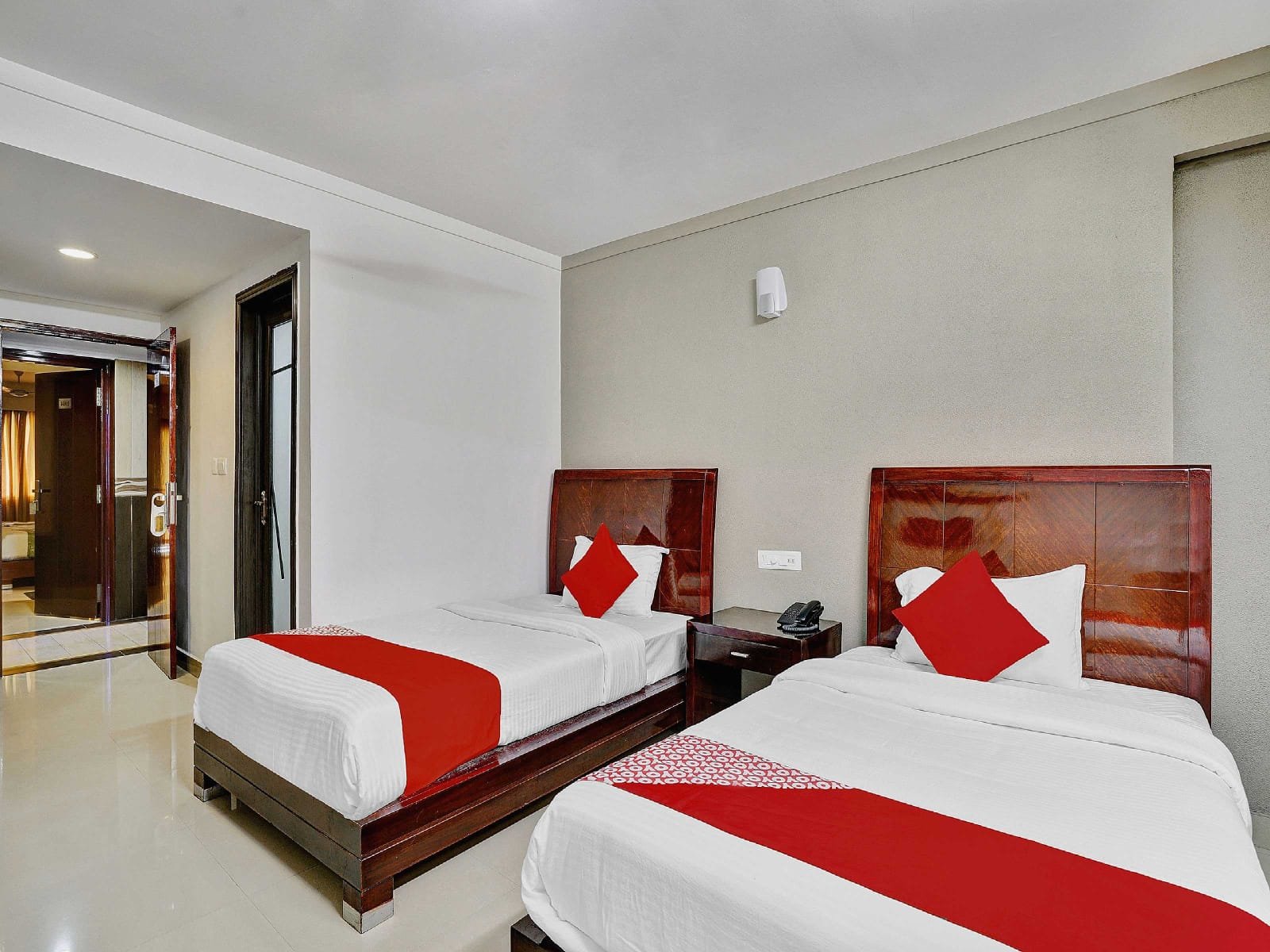
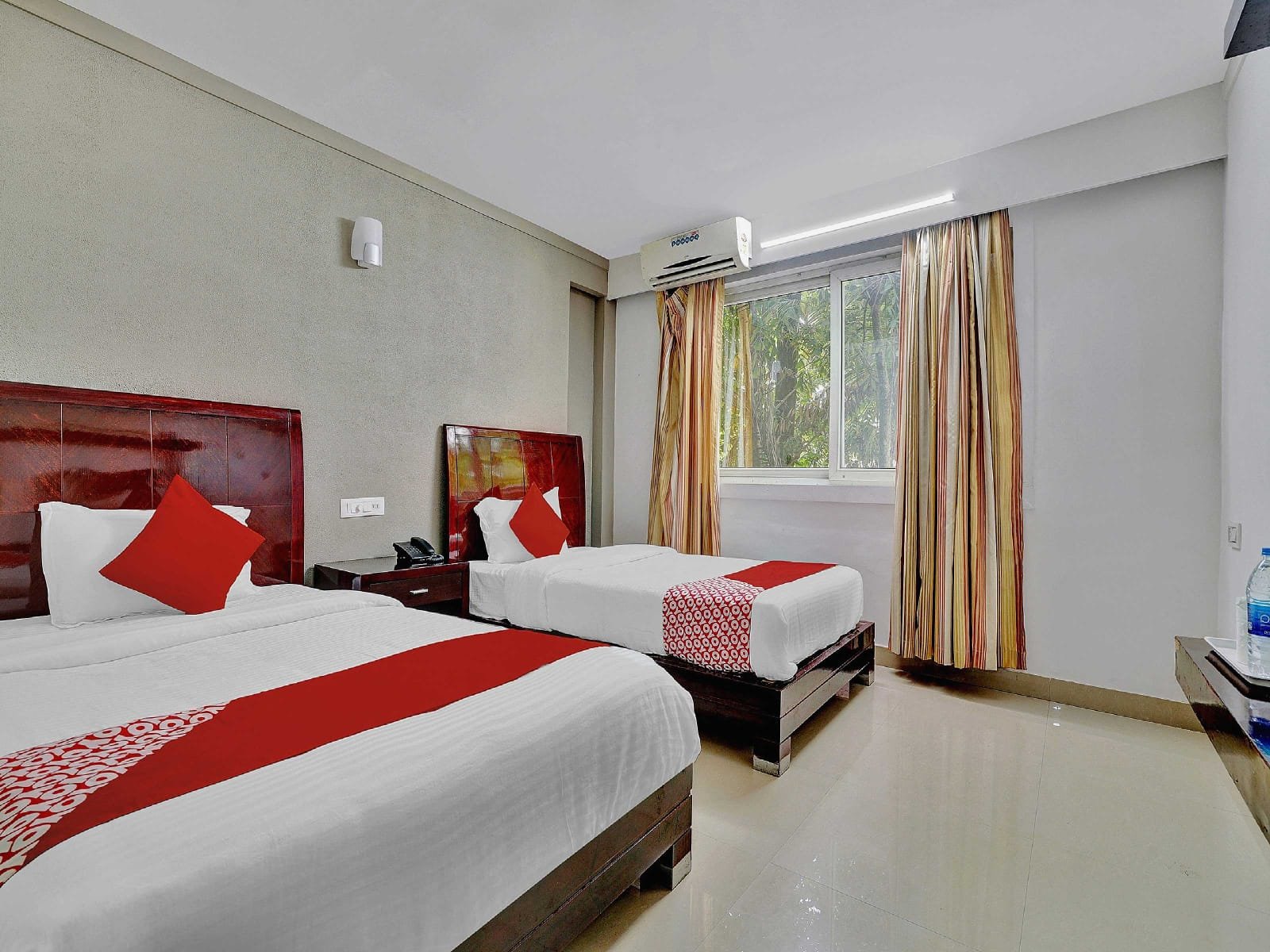
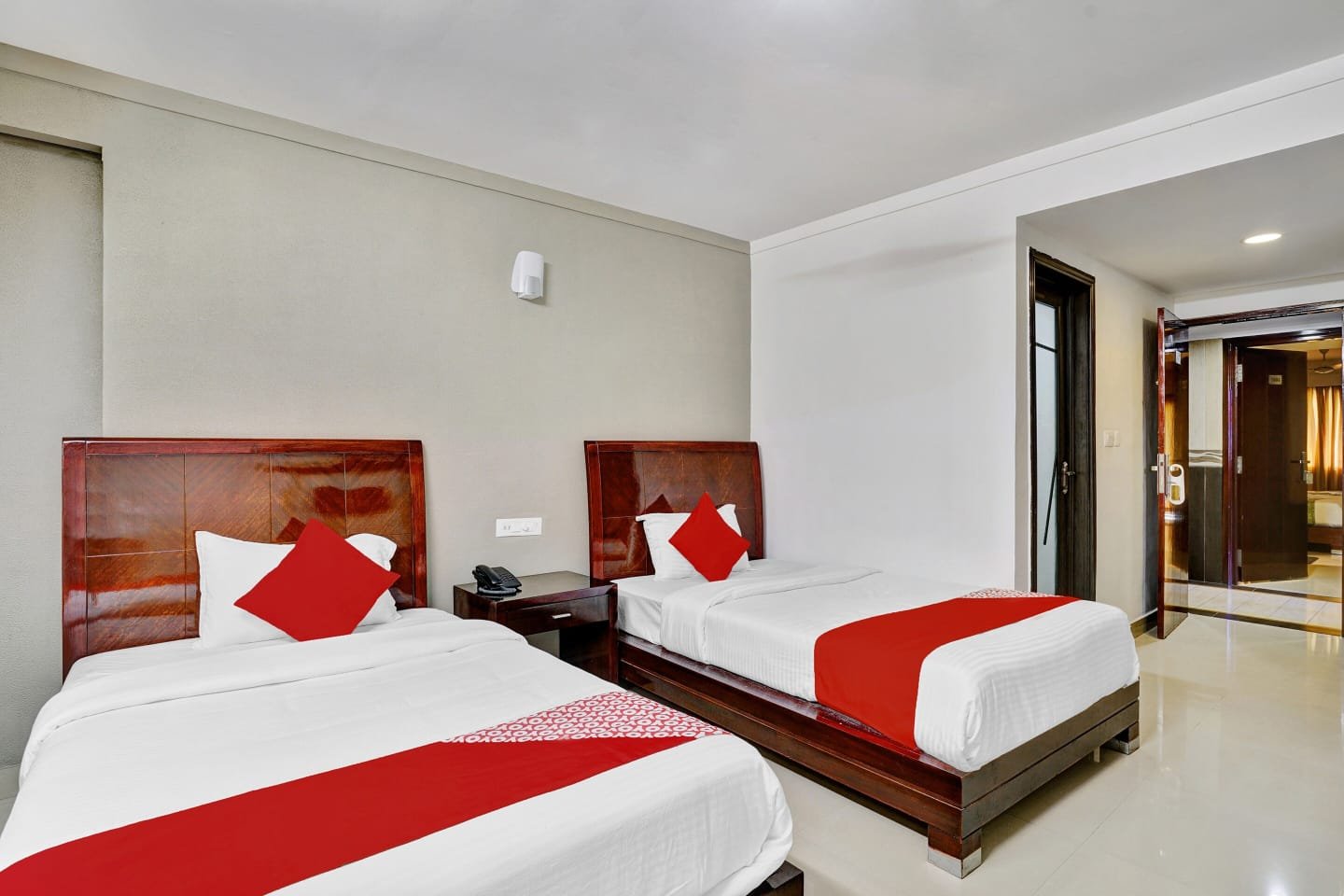
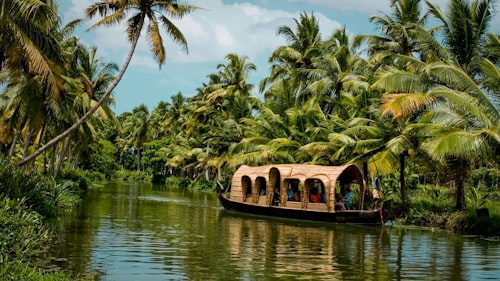
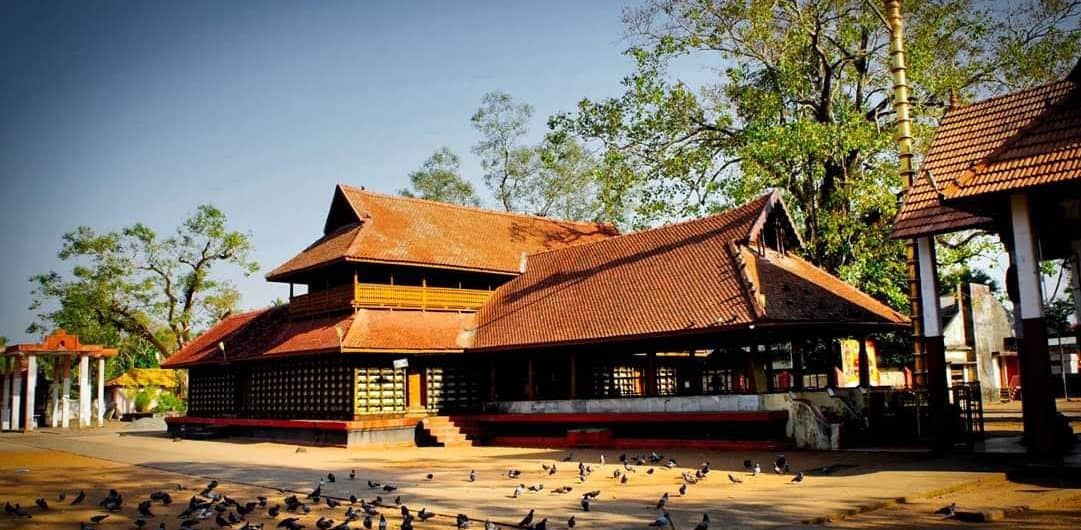
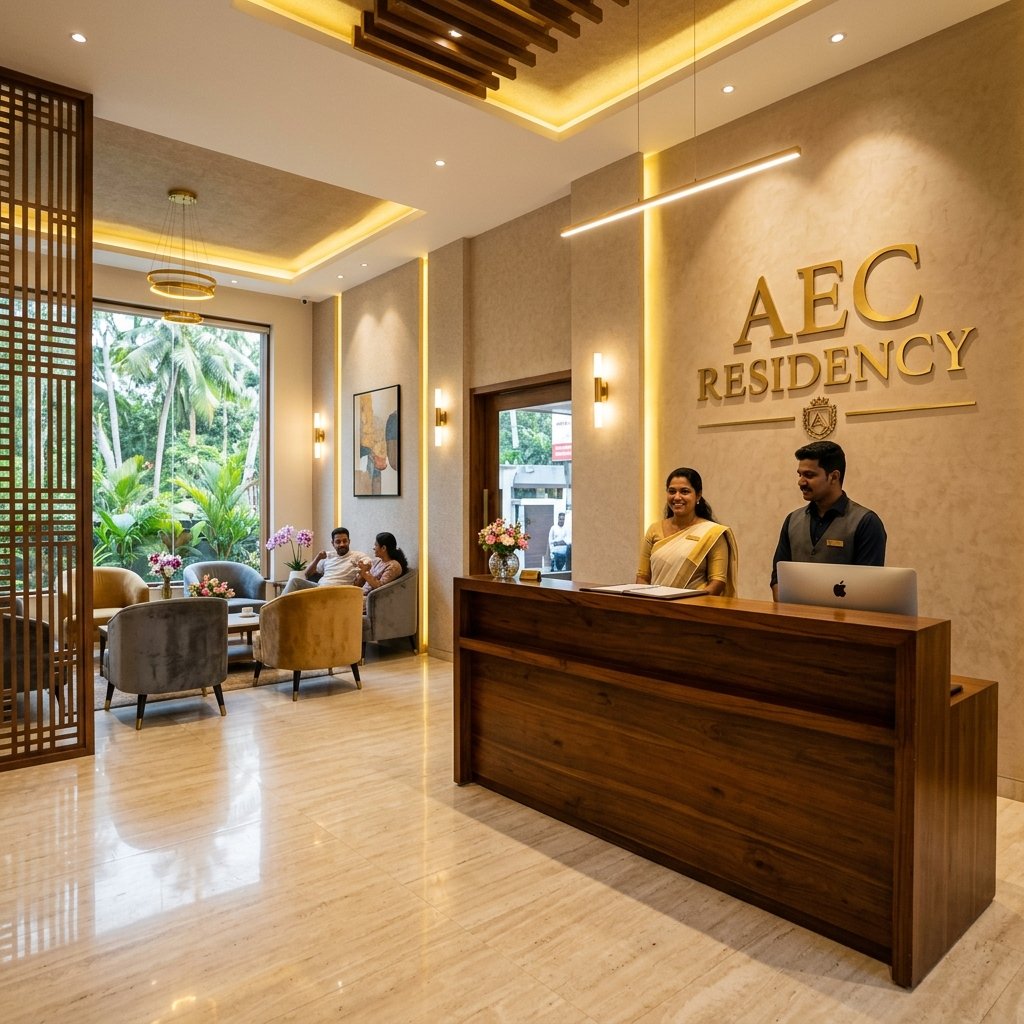
18 elegantly appointed rooms in the heart of God's Own Country
Scroll
"Nestled in the soul of Alappuzha — where ancient canals whisper stories, and every sunrise paints the
backwaters gold."
18
Rooms
25 min
To Backwaters
10 min
To Alleppey Beach
4★
Guest Rated
18
Premium Rooms
About AEC Residency
Comfort Rooted in Kerala's Heritage
AEC Residency is a boutique hotel in Thathampally, Alappuzha — strategically placed near the legendary
Kerala backwaters, just a 25-minute stroll from the canal network and a 10-minute drive from Alleppey Beach.
Part of the AEC Corporate Group — Kochi's diversified family-owned conglomerate — the Residency blends the
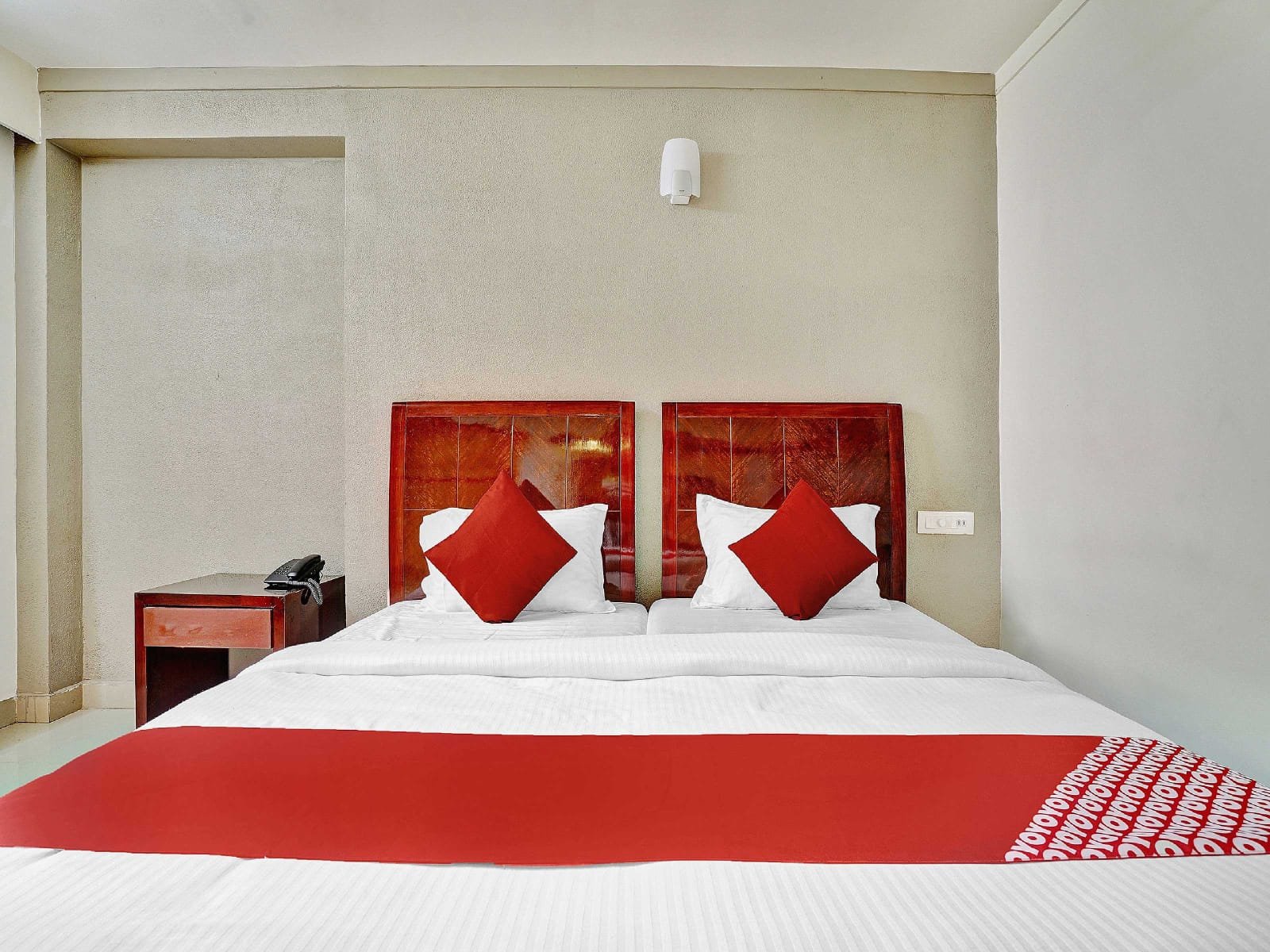
warmth of Kerala hospitality with contemporary comfort. Our 18 air-conditioned rooms are designed to be a
true home away from home for leisure travelers, families, and business guests alike.
Guests enjoy access to AEC Cinemas (a full-featured multiplex), Al-Baik Restaurant (our signature dining
experience), and curated backwater excursion packages — all under one roof, through one family.
🌊
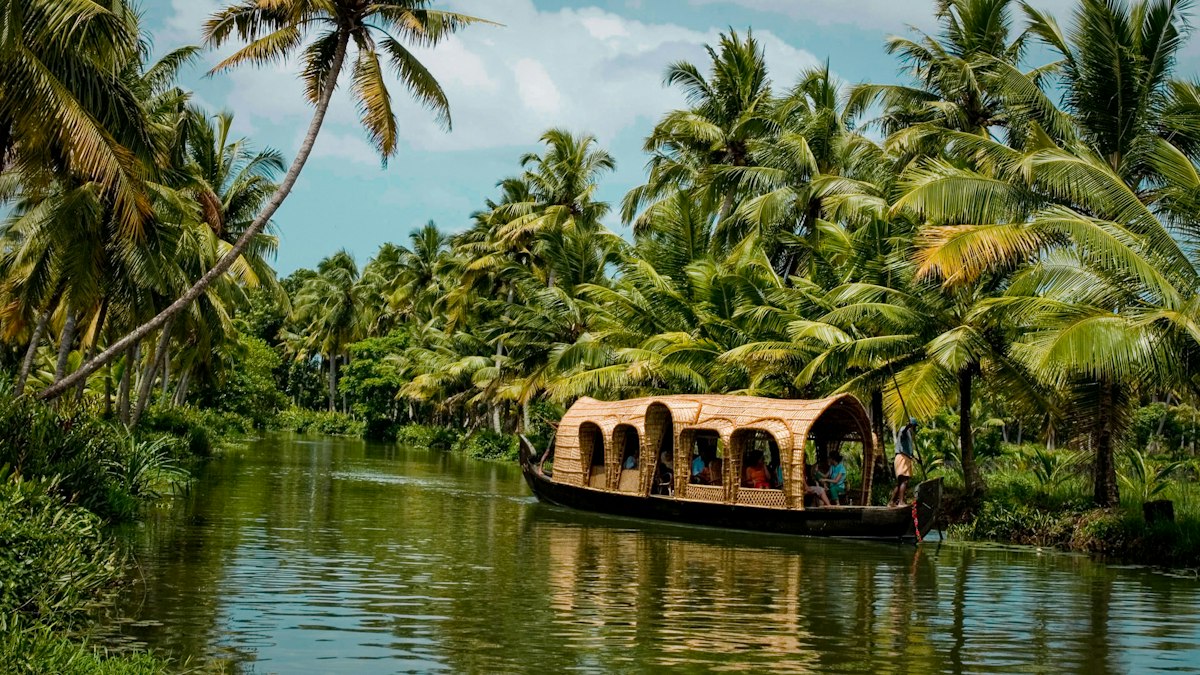
Backwater Access25 min walk to Kerala's iconic canals
🎬
AEC CinemasExclusive cinema packages for guests
🍽️
Al-Baik RestaurantAuthentic Kerala & Arabic cuisine
🏖️
Beach Proximity10 min drive to Alleppey Beach
📶
Free Wi-FiHigh-speed throughout the property
🚗
Free ParkingSecure on-site parking available
Accommodations
Your Perfect Room
Awaits
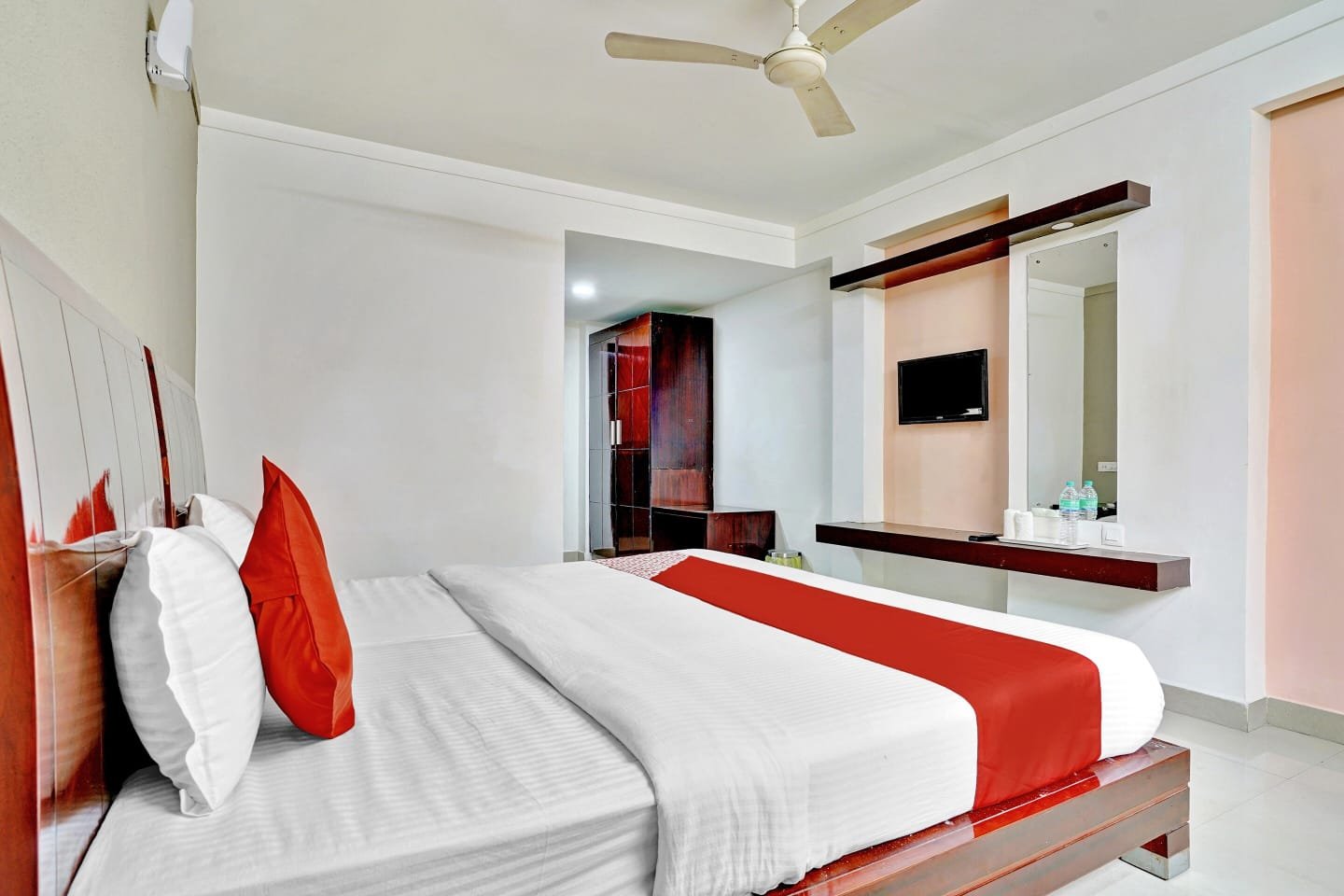
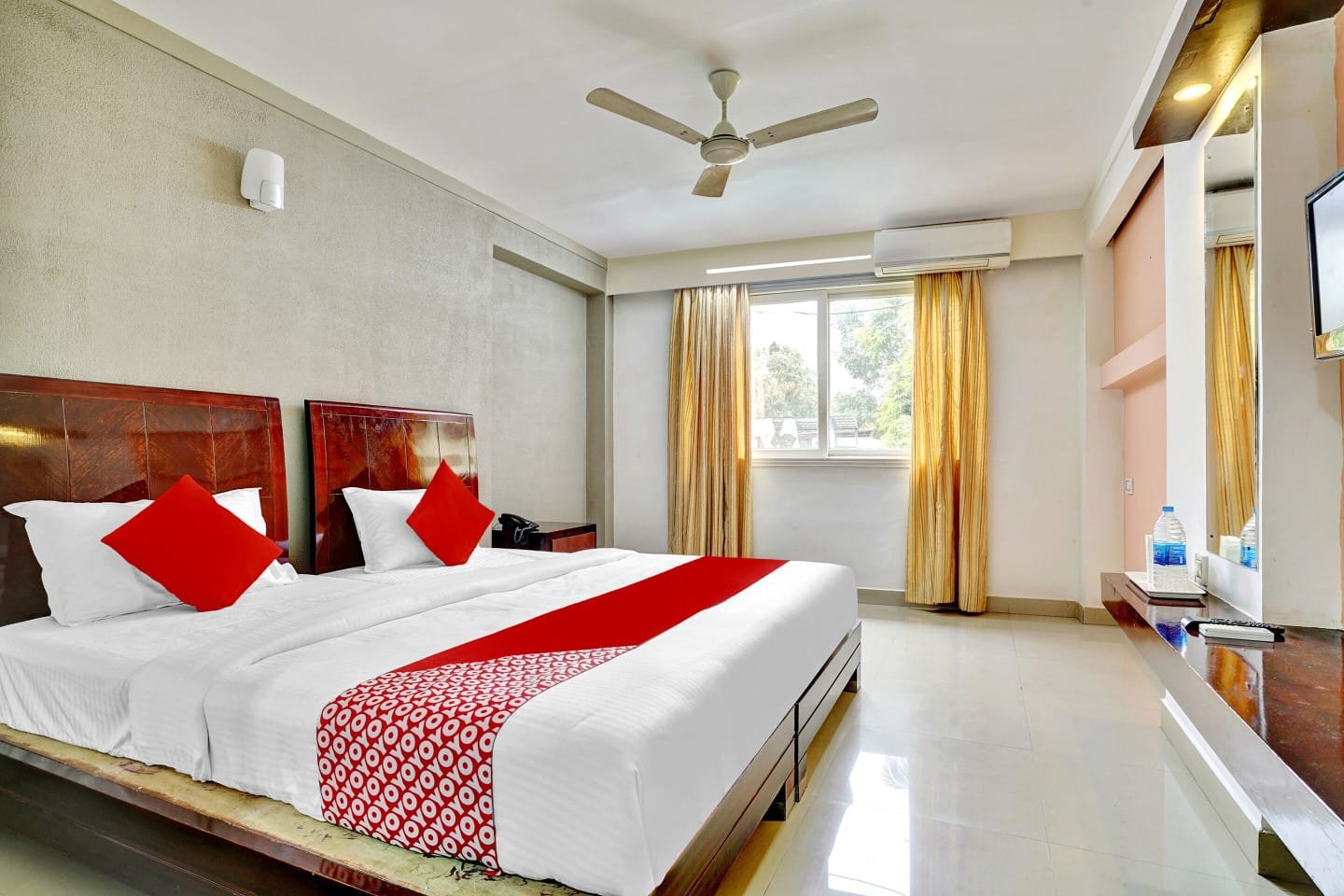
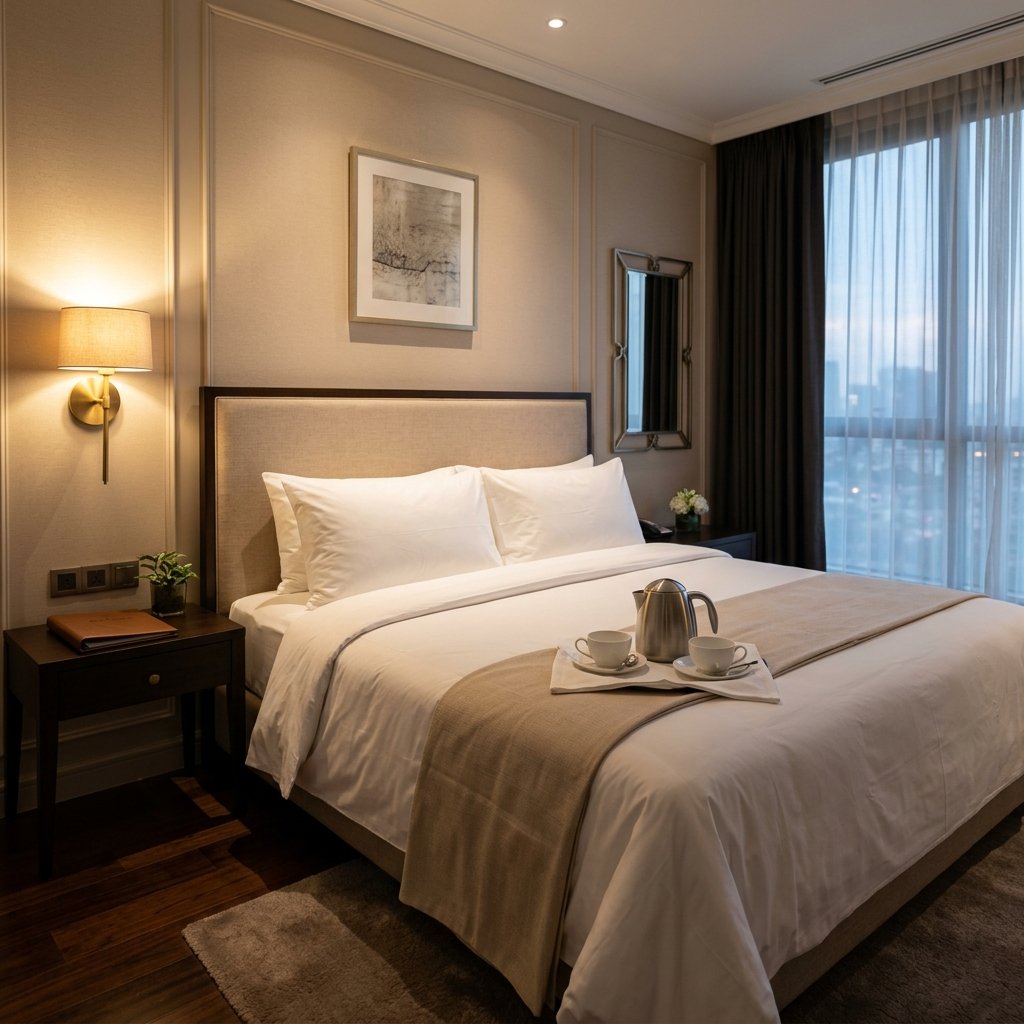
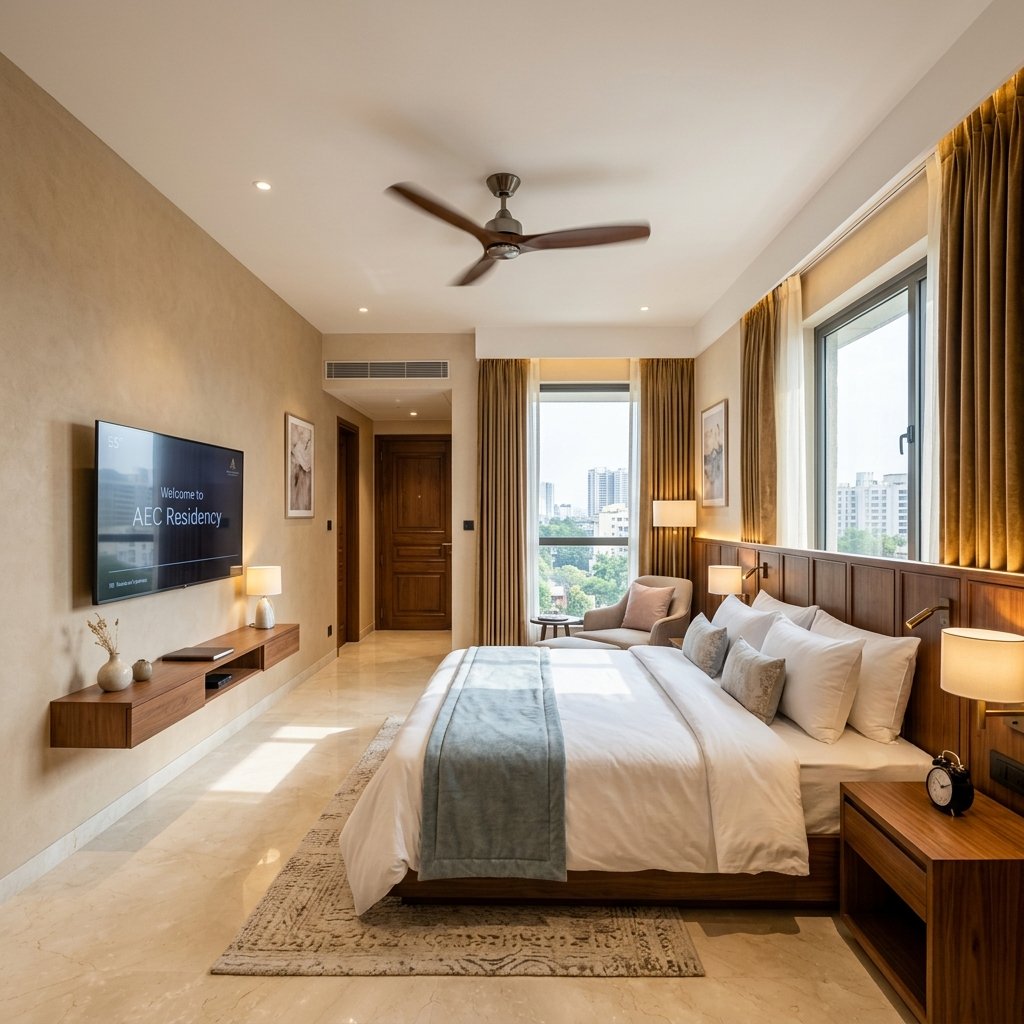
All 18 rooms feature air
conditioning, flat-screen satellite TV, and private bathrooms — crafted for restful nights and refreshing
mornings.
Standard
Standard Room
A well-appointed room with Kerala-inspired décor, perfect for solo travelers or
couples seeking a peaceful retreat near the backwaters.
Air ConditioningFlat-screen TVPrivate BathWi-Fi
Non-AC
Non-AC Single Room
A comfortable, breezy room with traditional décor, ideal for budget-conscious solo
travelers seeking a peaceful stay.
Ceiling FanFlat-screen TVPrivate BathWi-Fi
Non-AC
Non-AC Double Room
Spacious and naturally ventilated double room, perfect for couples wanting authentic
comfort at an excellent value.
Ceiling FanFlat-screen TVPrivate BathWi-Fi
Deluxe
Deluxe Room
Elevated comfort with a balcony view, premium bedding, and curated wooden interiors
inspired by Kerala's traditional architecture.
BalconySatellite TVTea/CoffeeRoom Service
Family
Premium Deluxe Room
Spacious layout designed for families — twin beds, a sofa set, and thoughtful
amenities to make every family holiday memorable, an event remembered for ages.
Twin + SofaMini FridgeWork DeskHair Dryer
Suite
Suite Room
Romantic canopy beds, ambient lighting, complimentary flower décor, and premium
bathroom — designed for moments you'll treasure forever.
Canopy BedPremium BathFlower DécorButler Call
Aesthetic Perspectives
The Residency Gallery
A visual journey through
our luxurious spaces designed to offer unmatched tranquility and modern elegance.
Standard Room
Deluxe Interior
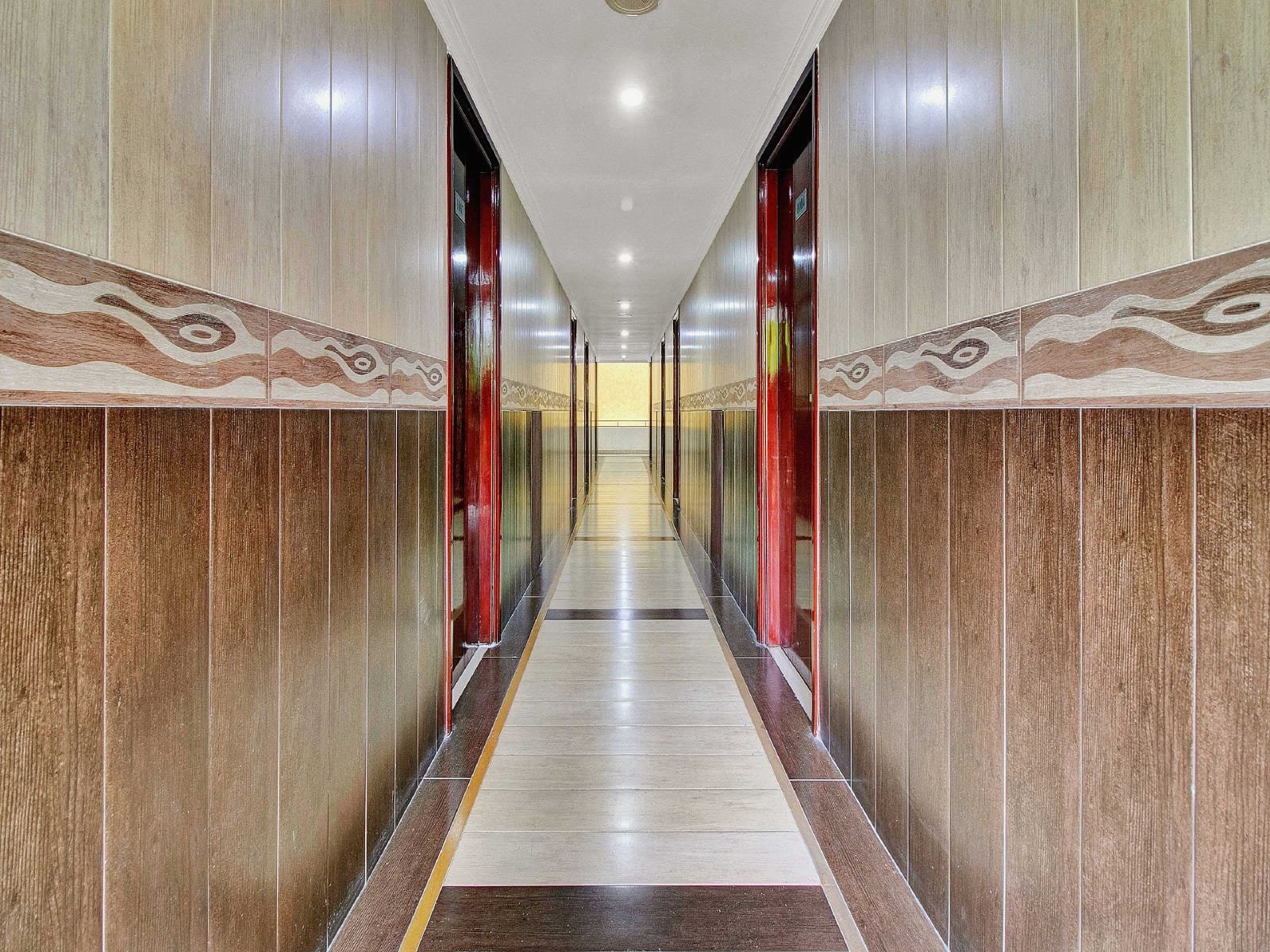
Elegant Corridors
Suite Comforts
Cozy Evenings
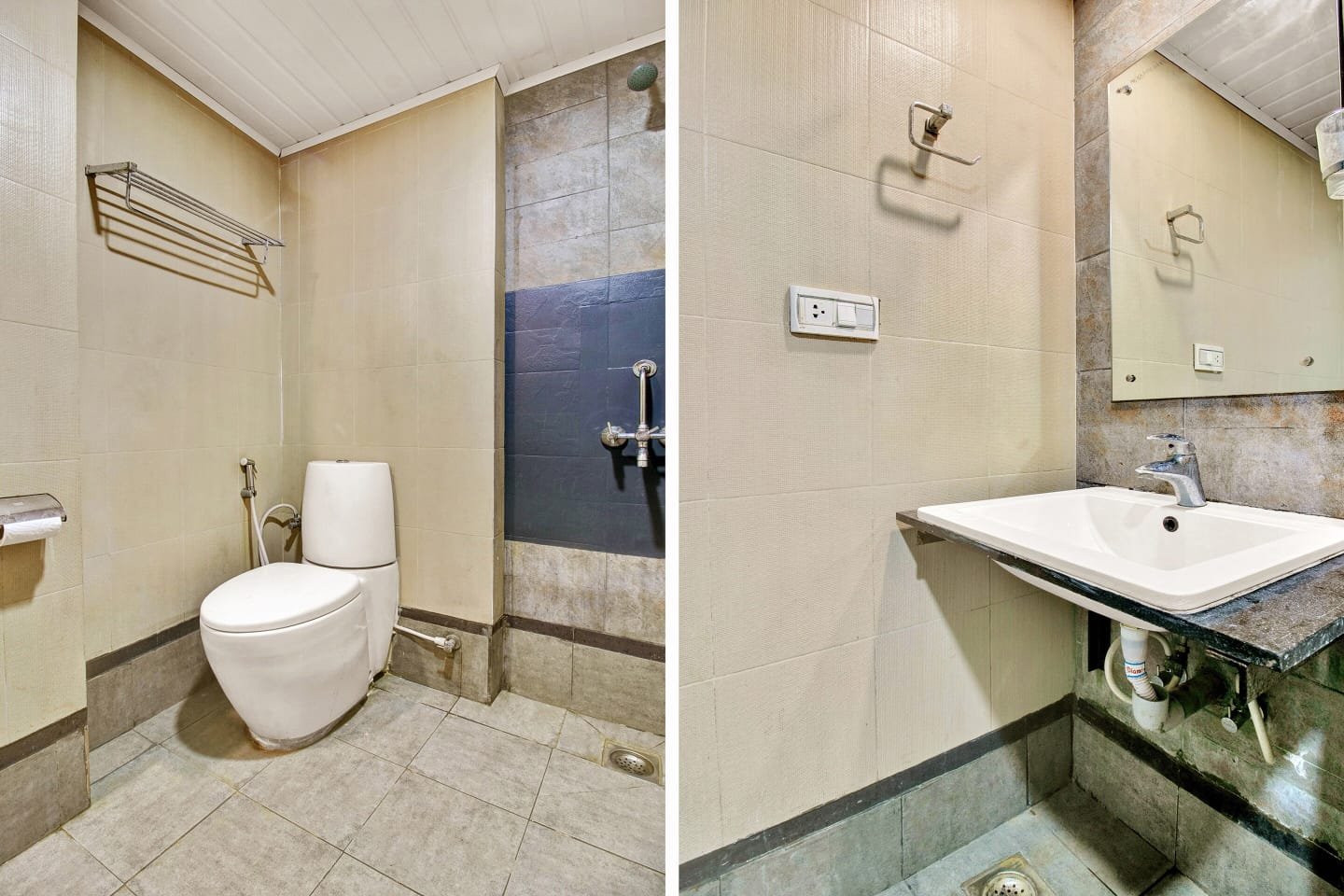
Premium Baths
Morning Light
Tranquil Setup
Refined Stays
Experience Packages
More Than a Stay — A Complete Experience
Combine your stay with the best of what Alappuzha and AEC Corporate Group has to offer. Curated packages for
families, couples, and solo explorers.
🚢
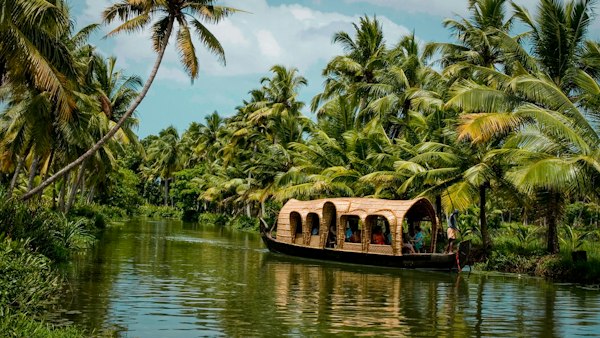
Backwater Boating Escape
Glide through Alappuzha's legendary canals on a private shikara boat. Watch
kingfishers dart, paddy fields shimmer, and village life unfold around you.
2-hr private shikara boat ride
Kerala breakfast on board
Village canal route
Sunset cruise option
₹3,800 / couple
⭐ Most Popular
🎬
Cinema & Dine Package
Catch the latest blockbuster at AEC Cinemas — Alappuzha's premier multiplex — then
enjoy a lavish dinner at Al-Baik Restaurant. Perfect for couples and families.
2 premium cinema tickets (AEC Cinemas)
Dinner for 2 at Al-Baik Restaurant
Complimentary welcome drink
Room décor (couples)
₹2,500 / couple
👨👩👧
Family Fiesta Package
The complete family holiday — backwater boat ride, a family movie night at AEC
Cinemas, meals at Al-Baik, and a Kuttanad village exploration.
4 cinema tickets (family movie)
Family dinner at Al-Baik
Shikara ride (up to 4 persons)
Amaze World day-pass (nearby)
₹6,500 / family
🌿
Kerala Wellness Retreat
Immerse in the ancient science of Ayurveda. Coordinated Ayurvedic sessions,
traditional Kerala meals, and serene backwater walks.
Ayurvedic body massage (60 min)
Traditional Kerala Sadya meal
Guided canal-side walk
Herbal welcome drink daily
₹4,000 / person
🍛
Al-Baik Culinary Journey
Savor the authentic flavors of Kerala and Arabic cuisine at Al-Baik Restaurant — a
signature dining destination within AEC Corporate Group's portfolio.
3-course Kerala set menu
Arabic mezze selection
Fresh seafood preparation
Traditional banana-leaf serving
₹1,200 / person
🏛️
Alappuzha Heritage Trail
Explore the "Venice of the East" — lighthouse, Revi Karunakaran Museum, Mullakkal
Temple, and the historic sea bridge ruins, with a curated local guide.
Guided heritage city walk
Lighthouse & museum entry
Local street food tasting
Coir-making demonstration
₹1,800 / person
Discover Alappuzha
Places to Explore
Nearby
The Venice of the East
awaits. Scroll to explore top attractions, all within reach of AEC Residency.
Kerala Backwaters
The iconic labyrinth of canals, rivers, and lagoons stretching over 900 km through
lush paddy fields.
📍 25 min walk
Alleppey Beach
A pristine stretch of Arabian Sea coastline with the iconic 1862 candy-striped
lighthouse standing tall.
📍 10 min drive
Nehru Trophy Boat Race
The world-famous snake boat race on Punnamada Lake, held every August during Onam
festival.
📍 Punnamada Lake
Kuttanad — Rice Bowl
The "Rice Bowl of Kerala" — fields farmed 2 meters below sea level using
UNESCO-recognized biosaline techniques.
📍 30 min drive
Revi Karunakaran Museum
An extraordinary private collection of crystals, ivory artifacts, Belgian
glasswork, and Kerala antiquities.
📍 10 min drive
Mullakkal Rajarajeswari Temple
A 500-year-old spiritual haven with stunning Kerala architecture, vibrant
festivals, and serene ambiance.
📍 15 min walk
Vembanad Lake
Kerala's largest lake and India's longest — a serene expanse home to rare birds,
otters, and houseboat trails.
📍 20 min drive
AEC Cinemas
Alappuzha's premier multiplex — part of AEC Corporate Group. Enjoy the latest
releases in comfort, exclusive to our guests.
📍 On property
Your Stay, Refined
Common Questions from Friends & Families
Planning a trip to Alappuzha? Here’s why AEC Residency is the preferred choice for those seeking comfort,
entertainment, and authentic local experiences.
AEC Residency is designed as a complete entertainment hub. With 18 premium AC rooms, families and groups
of friends can stay together comfortably while enjoying on-site access to AEC Cinemas
(Alappuzha's premier multiplex) and authentic dining at our signature Al-Baik Restaurant.
It’s a one-stop destination where staying, dining, and watching the latest blockbusters come together
seamlessly.
Located in the heritage heart of Thathampally on Punnamada Road (Kodathi
Padi),
AEC Residency is strategically placed between the backwaters and the beach. You are just a 25-minute
stroll from Alappuzha's iconic canal network and a short 10-minute drive from the Alleppey lighthouse
and beach, offering you the absolute best of Alappuzha's geographical charm.
Look no further than Al-Baik Restaurant, located right on our property. As a favorite
dining destination for both locals and tourists, we serve authentic Kerala seafood like Karimeen
Pollichathu and premium Arabic cuisine. It’s the perfect place for a family dinner or a meal with
friends after a day of exploring the backwaters.
We curate exclusive 'Experience Packages' tailored for friends and families. This includes private
Shikara boat rides through the legendary Alappuzha backwaters, family movie nights at AEC
Cinemas,
and traditional Kerala Sadya meals. Our 18-room capacity also makes us an ideal pick for wedding groups,
corporate outings, or large family reunions.
Yes, safety and hygiene are our top priorities. As part of the AEC Corporate Group,
we maintain high professional hospitality standards across all 18 guest rooms. With a 24/7 front desk,
secure on-site parking, and a location in the peaceful Punnamada residential area, you can rest assured
of a secure and serene environment for your loved ones.
Guest Stories
What Our Guests Say
"The most thoughtfully designed stay in Alappuzha. We did the Cinema & Dine package
and it was honestly the highlight of our Kerala trip. The room was spotless, the staff were warm, and
Al-Baik's seafood biryani — absolutely unforgettable."
— Priya & Arjun Menon, Bangalore
"With four children in tow, finding a hotel that keeps everyone happy is a miracle.
AEC Residency delivered — the family package, the backwater boat, the cinema. Our kids still talk about
it. We'll be back every year."
— The Krishnamurthy Family, Chennai
"Woke up to mist over the canal and had breakfast while the coconut palms swayed.
That's Kerala. AEC Residency put us right in the heart of it all — close to everything, yet peacefully
removed from the chaos."
— Farhan Siddiqui, Dubai
"Excellent value for money. Clean, comfortable rooms, very helpful reception team,
and the location is ideal for exploring the backwaters. The Al-Baik restaurant alone is worth the stay."
— Suresh Pillai, Trivandrum
Stories & Heritage
The Alappuzha Journal
Culture, history, travel, and the soul of the backwaters
Heritage
The Venice of the East: Alappuzha's 300-Year Story
From Dewan Kesavadas's planned port city of 1762 to the houseboat capital of Asia
— how Alappuzha became Kerala's most iconic destination.
Apr 2025 · 6 min readRead →
Culture
Nehru Trophy & The Spirit of the Snake Boats
The thundering oars, the war chants, the serpentine 100-foot vessels — why the
Nehru Trophy Boat Race is more than sport, it's Kerala's heartbeat.
Mar 2025 · 5 min readRead →
Spirituality
Temple Trails of Alappuzha: A Sacred Journey
The Mullakkal Rajarajeswari Temple, Ambalapuzha Sree Krishna Temple, and the
Kidangamparambu Bhuvaneswari — stories of faith etched in stone and gold.
Feb 2025 · 4 min readRead →
Nature
Kuttanad: Farming Below the Sea
The world's only UNESCO-recognized biosaline farming heritage — where entire
villages live and cultivate below mean sea level in the Rice Bowl of Kerala.
Jan 2025 · 5 min readRead →
Arts
Kathakali & Kalaripayattu: Living Arts of Kerala
Behind the elaborate make-up, the thundering footwork, and the mythological
stories — a deep dive into Kerala's most iconic classical arts.
Dec 2024 · 7 min readRead →
Food & Culture
Kerala on a Banana Leaf: A Culinary Heritage
Karimeen Pollichathu, duck curry, appam with stew, and the great Kerala Sadya —
why food in Kerala isn't just nourishment, it's ceremony.
Nov 2024 · 4 min readRead →
Hotel News
AEC Residency: A New Benchmark in Alappuzha Hospitality
Discover why AEC Residency is redefining comfort in the heart of Alappuzha with
its premium amenities and strategic location.
May 2025 · 5 min readRead →
Hotel News
AEC Residency: A New Benchmark in Alappuzha Hospitality
By AEC Residency Editorial · May 2025 · 5 min read
Alappuzha, the Venice of the East, has long been a sanctuary for tranquility seekers. Today, we are proud to
introduce AEC Residency, a boutique hotel that blends traditional Kerala warmth with modern architectural
excellence.
"Hospitality is not just about a bed; it's about the feeling of coming home to the backwaters."
Strategically Located
Located in Thathampally, AEC Residency offers unparalleled access to the legendary Punnamada Lake and Alleppey
Beach. Whether you are here for the Nehru Trophy Boat Race or a quiet retreat, you are never more than minutes
away from the action.
Premium Accommodations
Our 18 air-conditioned rooms, ranging from Standard Rooms to our signature Suite rooms, feature high-speed
Wi-Fi, flat-screen TVs, and bespoke interiors. Every corner of AEC Residency has been designed to reflect the
aesthetic grace of Kerala's heritage.
As part of the AEC Corporate Group, guests also enjoy exclusive perks at AEC Cinemas and dining experiences at
Al-Baik Restaurant. We invite you to experience Alappuzha like never before.
Heritage
The Venice of the East: Alappuzha's 300-Year Story
By AEC Residency Editorial · April 2025 · 6 min read
Long before tourists arrived with cameras and itineraries, Alappuzha was a city designed with intention. In
1762, the visionary Dewan Kesavadas of Travancore identified this coastal tract as the ideal site for a planned
port city. He constructed two parallel canals to channel goods from the backwaters to the sea, established the
port in the same year, and invited merchants from Surat, Mumbai, and Kutch to set up trading houses. Within
decades, Alappuzha had become the financial nerve centre of Travancore.
"Alappuzha afforded a convenient depot for the storage and disposal of goods produced in the east." —
Historical records of Travancore
The Coir Capital of the World
The town's first major export was coir — rope and matting woven from coconut husks. By the mid-19th century,
Alappuzha had become the world's leading producer of coir products. The British, who took control by the late
18th century, expanded the canal network further — notably the Champakulam–Nedumudy canal — connecting remote
villages to the global trade network. Women still weave coir along these banks today, a craft passed down across
generations.
From Rice Boats to Floating Hotels
The traditional kettuvallam — a wooden rice barge with a hull bound by coir ropes and not a single nail — was
the workhorse of Kerala's inland waterways for centuries. In the 1970s, after independence, Kerala's government
had a stroke of genius: convert these ancient vessels into tourist houseboats. Today, over a thousand such
houseboats ply the waters of Alappuzha, offering travelers a floating experience that bridges time.
The backwaters themselves stretch over 900 kilometres — a labyrinthine network of canals, rivers, lagoons, and
lakes. The annual phenomenon called Chakara, where the sea deposits abundant fish and prawns on the Alappuzha
coast during the post-monsoon period, remains a festive event for local communities to this day.
Alappuzha Today
With a 74.55% increase in tourist arrivals between 2020 and 2021 — more than double the state average —
Alappuzha has cemented its status as India's premier backwater destination. Yet walk down any canal-side lane
and you'll still find women weaving mats, fishermen mending nets, and children cycling along mud embankments
just as they have for 300 years. That's the magic of the Venice of the East.
Culture
Nehru Trophy & The Spirit of the Snake Boats
By AEC Residency Editorial · March 2025 · 5 min read
Every August, on the second Saturday, Punnamada Lake transforms into one of the world's most spectacular
sporting arenas. Over a hundred 100-foot-long snake boats — called Chundan Vallam — slice through the water at
breathtaking speed, each powered by 100 rowers chanting Vanchippattu (boat songs) in unison. Thousands of
spectators line the banks. India watches on television. This is the Nehru Trophy Boat Race.
"When the drums beat and the oars rise as one, you don't just watch the race — you feel the pulse of
an entire civilization."
A Race Born from Independence
The trophy's name traces to India's first Prime Minister, Jawaharlal Nehru, who visited Alappuzha in 1952.
Moved by the sight of a snake boat race staged in his honor, Nehru donated a silver trophy and declared that an
annual race be held. The tradition has continued unbroken ever since, growing into one of the largest aquatic
events in Asia.
The Boats Themselves
A traditional Chundan Vallam is around 100–138 feet long, curving up at the stern like a serpent's raised hood.
The boats are crafted from specific varieties of wood — primarily jack tree — over months of painstaking
craftsmanship. Each boat belongs to a village or region, and rowers train for months. There is pride, rivalry,
and deep community identity embedded in every stroke.
The Nehru Trophy is just one of several boat races held across Alappuzha's waterways each year. The Champakulam
Moolam Boat Race, the Payippad Jalotsavam, and the Aranmula Boat Race are all part of the broader festival
calendar that transforms the region into a vibrant celebration of water, community, and culture.
Spirituality
Temple Trails of Alappuzha: A Sacred Journey
By AEC Residency Editorial · February 2025 · 4 min read
Alappuzha is as much a land of faith as it is of water. The district's spiritual landscape is a mosaic of
ancient Hindu temples, Portuguese-era churches, colonial mosques, and Jain shrines — a testament to centuries of
coexistence and cultural exchange.
"In Alappuzha, every canal leads to a temple, every temple tells a story, and every story is five
hundred years old."
Mullakkal Rajarajeswari Temple
Founded over 500 years ago, the Mullakkal temple is the spiritual heart of Alappuzha town. Dedicated to Goddess
Rajarajeswari — an avatar of Durga — the temple is a masterpiece of Kerala temple architecture: sloping tiled
roofs, intricately carved wooden ceilings, and gleaming brass lamps. The annual Mullakkal Chirappu festival
draws tens of thousands of devotees and fills the town with processions, elephants, and classical music.
Ambalapuzha Sree Krishna Temple
One of the most revered Krishna temples in Kerala, Ambalapuzha is famous for its Palpayasam — a sweet rice
pudding that has been offered to the deity and distributed to devotees daily for centuries without interruption.
The legend behind it involves a game of chess between the temple deity and a visiting sage — a story of infinite
grains of rice that still captures imaginations today.
Kidangamparambu Bhuvaneswari Temple
Just a short walk from AEC Residency, this temple is a neighbourhood landmark. Quiet, beautifully maintained,
and deeply local — it represents everyday spirituality in Alappuzha, where sacred rituals punctuate the rhythms
of daily life.
Nature
Kuttanad: Farming Below the Sea
By AEC Residency Editorial · January 2025 · 5 min read
In one of the most remarkable human stories ever told through agriculture, the farmers of Kuttanad have been
cultivating paddy fields two metres below mean sea level for generations. This sub-sea-level farming — known as
biosaline agriculture — is so unique that the United Nations' Food and Agriculture Organization has designated
it a Globally Important Agricultural Heritage System (GIAHS).
"Kuttanad is not just a place — it is a proof that human ingenuity and nature can find a way to
coexist on the most improbable of terms."
The landscape appears almost impossibly green. Endless paddy fields separated by earthen bunds — raised walls
of compacted soil that hold the Arabian Sea and the rivers at bay. On a boat through Kuttanad, you look up at
passing vessels from eye level with their keels. The visual disorientation is part of the magic.
The Rice Bowl of Kerala
Kuttanad spans parts of Alappuzha, Kottayam, and Pathanamthitta districts, and has historically fed much of
Kerala. The region's rice — short-grain, aromatic, and distinctly flavored by its saline-influenced soil — is
prized in Kerala cooking. Kuttanad duck curry, prepared with ducks that forage in these very waters, is a
delicacy that tells the whole story of this land in one dish.
Arts
Kathakali & Kalaripayattu: Living Arts of Kerala
By AEC Residency Editorial · December 2024 · 7 min read
Two of the world's most visually spectacular art forms were born on Kerala's soil. Kathakali — the classical
dance-drama with its extraordinary face paintings, elaborate costumes, and mythological storytelling — and
Kalaripayattu — the ancient martial art that is said to be the mother of all Asian martial arts. Alappuzha is a
living stage for both.
"To watch Kathakali is to watch time stop. The face becomes a battlefield of gods and demons, and you
forget entirely that a human being painted it."
Kathakali: Stories Told in Colour
A Kathakali performance begins hours before it starts — with the dancer applying their elaborate make-up, a
process that can take up to four hours. Each colour has meaning: green (Pacha) for noble heroes, red-black
(Kari) for malevolent characters, white for refined women. The intricate mudras (hand gestures) number in the
hundreds, creating a silent but expressive vocabulary that trained observers can read like text.
Kalaripayattu: The Mother Martial Art
Kalaripayattu predates karate, kung fu, and most other martial arts by centuries. Practiced in kalari — a
specially constructed gymnasium — it combines yoga-like flexibility training with armed and unarmed combat
techniques. Its influence is believed to have spread to China via Buddhist monks, eventually influencing Shaolin
kung fu. Today, performances in Alappuzha offer visitors a glimpse of this extraordinary living tradition.
Food & Culture
Kerala on a Banana Leaf: A Culinary Heritage
By AEC Residency Editorial · November 2024 · 4 min read
In Kerala, food is never just sustenance. It is ritual, welcome, celebration, and identity — all served on a
single banana leaf. The Sadya — Kerala's grand vegetarian feast — can feature up to 28 dishes arranged with
meticulous precision on a fresh banana leaf, each placed in a specific position following a protocol centuries
old.
"A banana leaf is Kerala's finest dining table — cool, fragrant, and always generous."
The Iconic Dishes of Alappuzha
Karimeen Pollichathu — the pearl spot fish marinated in a fiery paste and wrapped in banana leaf before being
pan-fried — is Alappuzha's gift to the world. Kuttanad duck curry, simmered with coconut milk and a blend of
local spices, speaks of the marshlands it comes from. Appam — fermented rice hoppers with a soft, spongy centre
and lacy crispy edges — is the perfect companion to a fragrant stew of vegetables or tender lamb.
At AEC Residency's partner restaurant Al-Baik, these traditions meet a broader culinary sensibility — Kerala's
coastal heritage enriched with Arabic influences that have shaped Malabar cooking for over a thousand years. The
result is a menu that is both deeply local and remarkably cosmopolitan.
Get in Touch
Contact Us
We'd Love to Hear From You
Whether you're planning a family holiday, a romantic escape, or a business stay in Alappuzha — our team is
here to make your experience exceptional from the very first conversation.
📍
AddressThathampally-Punnamada Road, Kodathi Padi, Alappuzha, Kerala 688013, India
Free cancellation up to 24 hours before
check-in. No-show or late cancellation: 1 night charge applies. For package bookings, 48-hour cancellation
notice required.